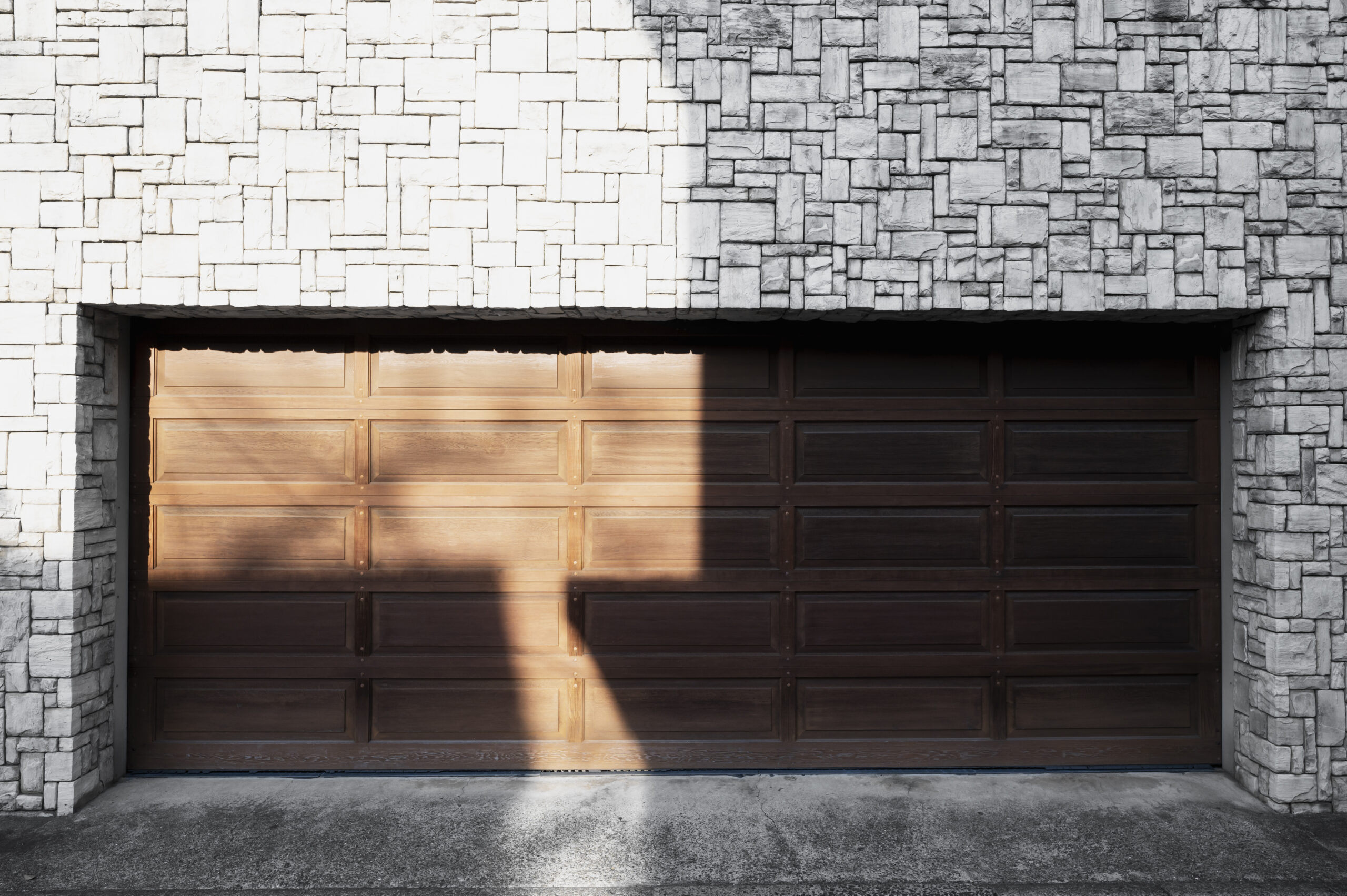
A fresh coat of paint can completely change the look of your home’s exterior without the cost of replacing the entire door. Beyond improving curb appeal, quality paint also protects the surface from moisture, UV rays, and everyday wear, helping your garage door last longer.
Whether your existing finish has faded over time or you’re simply ready for a new look, painting is a project that many homeowners can successfully complete with the right preparation. Choosing suitable materials, following the proper painting process, and allowing enough drying time all contribute to a professional-looking result.
If your garage door has significant dents, rust damage, warped panels, or mechanical issues, it’s a good idea to have it inspected before painting. In some cases, repairs or even a professional garage door installation may be a better long-term investment than refinishing an aging door.

Can You Paint a Garage Door
Yes, in most cases you can paint a garage door, provided it’s in good structural condition. Steel, aluminum, wood, and fiberglass doors can all be repainted, although the preparation process and recommended products may vary depending on the material.
A fresh coat of paint is an affordable way to improve curb appeal while adding an extra layer of protection against moisture, UV rays, and everyday wear. When applied correctly, a high-quality exterior paint can keep your garage door looking great for years.
Before you begin, inspect the surface for rust, peeling paint, dents, cracks, or other damage that could affect the final result. Minor imperfections can usually be repaired during the preparation stage, but more serious issues should be addressed first. If you’re unsure whether your garage door is in suitable condition for painting, the experts at Marko Door Products can help evaluate its condition and recommend the best solution.
Tools and Materials You’ll Need
Having the right supplies on hand before you begin will make the project smoother and help you achieve a more even, durable finish. While the exact products may vary depending on your garage door’s material, most painting projects require the same basic equipment.
| Tool or Material | Purpose |
| Mild detergent and water | Removes dirt, grease, and debris before painting |
| Sponge or soft brush | Cleans the door without damaging the surface |
| Sandpaper (120–220 grit) | Smooths rough areas and improves paint adhesion |
| Exterior primer | Creates a strong base for paint on bare or repaired surfaces |
| Exterior paint | Protects the door from weather and UV exposure |
| Paintbrush | Ideal for edges, corners, and detailed areas |
| Foam or microfiber roller | Provides a smooth, even finish on large flat sections |
| Painter’s tape | Protects windows, trim, handles, and hardware |
| Drop cloths | Keeps the driveway and surrounding surfaces clean |
One of the most common questions homeowners ask is what type of paint for garage door projects delivers the best results. In most cases, a high-quality exterior acrylic latex paint is an excellent choice because it offers long-lasting durability, resists fading, and adheres well to properly prepared steel, aluminum, and previously painted surfaces. Wooden garage doors may also benefit from products specifically formulated for exterior wood applications.
Before purchasing paint, check the manufacturer’s recommendations for your specific garage door material. Using compatible primers and finishes will help ensure better adhesion and a longer-lasting finish, especially in areas exposed to intense sun, humidity, or frequent temperature changes.

How to Prep a Garage Door for Painting
Proper preparation is the foundation of a durable finish. Even the highest-quality paint won’t adhere well if the surface is dirty, damaged, or covered with loose paint. Taking the time to prepare your garage door correctly will improve both the appearance and longevity of the finished project.
Before opening the paint can, complete the following steps:
- Wash the entire door with mild detergent and water to remove dirt, grease, and mildew.
- Allow the surface to dry completely before moving to the next stage.
- Scrape away any loose or peeling paint using a paint scraper.
- Sand rough areas and feather the edges of existing paint for a smooth transition.
- Remove rust with sandpaper or a wire brush if you’re working on a steel door.
- Repair small dents, cracks, or holes with an exterior-grade filler if needed.
- Protect windows, weather seals, handles, and nearby trim using painter’s tape.
These tips for painting garage door surfaces may seem simple, but they have a significant impact on the final result. A clean, smooth surface allows the primer and paint to bond properly, reducing the risk of peeling or uneven coverage over time.
If you notice worn weatherstripping, noisy operation, loose hardware, or other mechanical issues while preparing the door, it’s worth addressing them before painting. Performing routine garage door maintenance at this stage helps ensure your garage door not only looks refreshed but also continues to operate safely and reliably for years to come.
How to Paint a Garage Door
Once the surface is clean, dry, and properly prepared, you’re ready to start painting. Working methodically helps create a smooth, professional-looking finish with fewer visible brush marks or roller lines. If you’re wondering about the best way to paint a garage door, the answer is simple: work in sections, apply thin, even coats, and allow adequate drying time between each stage.
Step 1: Paint the Panels
If your garage door has raised or recessed panels, start with these first. Use a quality brush to paint the edges, corners, and detailed profiles, then switch to a small roller to cover the flat center of each panel. Complete one panel at a time before moving to the next to maintain a consistent finish.
Avoid overloading the brush or roller. Thin, even coats are less likely to drip and will produce a smoother appearance once dry.
Step 2: Paint the Rails and Stiles
After all panels are finished, paint the horizontal rails followed by the vertical stiles. This sequence helps blend the paint naturally across the door while covering any brush marks left around the panels.
Use long, steady strokes in the direction of each section, slightly overlapping the previous pass to create a uniform finish. Check periodically for drips along edges and wipe them away before they begin to dry.
Step 3: Apply a Second Coat
Allow the first coat to dry completely before deciding whether another coat is needed. Most garage doors benefit from a second application, which improves color depth, durability, and weather resistance.
A common question during this stage is how much paint for garage door projects. In most cases, one gallon of high-quality exterior paint is sufficient for two coats on a standard double garage door, though larger doors or bare surfaces may require additional paint.
Step 4: Let the Paint Cure
Once the final coat has been applied, allow the paint to cure according to the manufacturer’s recommendations. While the surface may feel dry after several hours, full curing often takes several days.
During this time, avoid unnecessary contact with the door and operate it only when necessary to prevent the fresh finish from sticking or becoming damaged. Once the paint has fully cured, inspect the door to make sure it opens and closes smoothly and that no paint has bonded to the weatherstripping or surrounding trim. Addressing any minor issues early will help preserve both the appearance of the new finish and the long-term performance of your garage door.
Garage Door Paint Ideas
Choosing the right color is just as important as applying the paint correctly. The best shade should complement your home’s exterior, highlight its architectural style, and maintain its appearance for years to come. If you’re exploring garage door painting ideas, start by considering the color of your siding, brick, trim, roof, and front door rather than selecting a color in isolation.
Neutral shades remain the most popular choice because they suit a wide range of home styles and are less likely to go out of fashion. White, soft gray, charcoal, and black create a timeless look, while natural brown tones work well with wood accents and rustic designs.
When choosing garage door paint colors, keep these design tips in mind:
- Choose a paint color that complements your home’s siding or brick exterior.
- If your trim is painted, consider using the same shade on the garage door for a cohesive look.
- Use a darker color to create contrast on light-colored homes, or a lighter shade to soften a dark façade.
- Test paint samples on a small section of the door and view them in both sunlight and shade before making a final decision.
- Consider how the color will look year-round, as lighting and seasonal surroundings can change its appearance.
Rather than following short-lived trends, select a color that complements your home’s overall design and enhances its curb appeal throughout every season. This approach will help ensure your newly painted garage door looks stylish for many years.

Common Garage Door Painting Mistakes to Avoid
A successful paint job depends as much on avoiding mistakes as it does on using the right products. Keep these common issues in mind to achieve long-lasting garage door painting results.
- Skipping surface preparation. Paint may peel, chip, or fail to adhere properly.
- Painting in direct sunlight or poor weather conditions. The finish can dry unevenly, blister, or leave visible lap marks.
- Applying thick coats. Excess paint is more likely to drip, crack, or take much longer to cure.
- Using the wrong paint. Interior paints or low-quality products won’t withstand outdoor conditions.
- Choosing unsuitable colors. Some garage door painting colors to avoid include overly bright or highly saturated shades that can fade faster or clash with your home’s exterior.
- Not allowing enough drying time between coats. The finish may become uneven or less durable.
Taking your time and following the recommended painting process will help you achieve a smooth, durable finish that enhances your home’s curb appeal for years to come.
How to Keep Your Newly Painted Garage Door Looking Great
A freshly painted garage door can maintain its appearance for many years with a little routine care. Regular cleaning and inspections help protect the finish from dirt, moisture, and everyday wear, reducing the need for frequent repainting.
To extend the life of the new finish:
- Wash the door every few months using mild soap and water to remove dirt and debris.
- Inspect the surface regularly for chips, scratches, or peeling paint, and touch up small damaged areas before they spread.
- Avoid abrasive cleaners or pressure washing, as they can damage the paint.
- Keep the tracks, rollers, and hinges clean so the door operates smoothly without putting unnecessary stress on the painted surface.
- Trim nearby trees and shrubs to prevent branches from scratching the finish.
With proper care, your newly painted garage door can continue to look great and perform reliably for many years. If you have questions about your garage door’s condition or need expert advice on repairs, replacement, or maintenance, the team at Marko Door Products is always ready to help you find the right solution.