Choosing the right size for your garage’s entry system is essential to ensure smooth operation and a perfect fit for your space. Whether replacing an old model or planning for new construction, understanding the standard dimensions, taking accurate measurements, and exploring custom options are key steps.
For most homes, a single-car garage door is typically 8 to 9 feet wide and 7 to 8 feet high, while a double-car garage door is commonly 16 to 18 feet wide and 7 to 8 feet high. The right size also depends on your vehicle, available clearance, and the dimensions of the garage opening. Larger SUVs, pickup trucks, RVs, or non-standard openings may require a wider, taller, or custom garage door.
In this guide, we will walk you through the most common sizes, a step-by-step method to measure, and tips to select the ideal product for your home.
Why the Right Garage Size Matters
The size of your entry system affects functionality, efficiency, and overall usability. A proper fit eliminates issues like insufficient clearance, difficulty opening and closing, and strain on mechanical components. An ill-fitting system can lead to increased wear and tear, resulting in higher maintenance costs.
A correctly sized entryway also optimizes insulation and energy efficiency, keeping your space secure and temperature-controlled. Beyond practicality, it enhances curb appeal, making your home look polished and well-maintained.
What Are the Standard Garage Door Sizes?
Garage doors are available in various standard sizes to suit different vehicles and garage configurations. Here are the most common dimensions:
| Type | Width | Height |
| Single-Car Garage Door | 8 or 9 feet | 7 or 8 feet |
| Double-Car Garage Door | 16 or 18 feet | 7 or 8 feet |
| RV Garage Door | 10–12 feet | 10–14 feet |
| Custom Sizes | Varies by design | Varies by design |
These standard measurements cover the majority of residential applications. However, custom solutions are available to meet unique space requirements or accommodate larger vehicles like trucks or RVs.
Standard dimensions are a useful starting point, but the right garage door size also depends on the width and height of your vehicle, mirrors, roof racks, available clearance, and how much room you want when entering or leaving the garage.
How Do I Measure for the Right Garage Door Size?
Accurate measurements are essential when choosing a garage door. Measure the physical garage door opening rather than relying on the dimensions of the existing door. In addition to the opening width and height, check the sideroom, headroom, and backroom to make sure there is enough space for the tracks, hardware, and garage door opener.
Step 1: Measure the Rough Opening Width and Height
Measure the width of the finished opening from one side to the other, then measure the height from the floor to the top of the opening. Take measurements at several points, as garage openings may not be perfectly square.
Step 2: Measure the Sideroom
Measure the available wall space on both the left and right sides of the garage door opening. Sufficient sideroom is necessary to accommodate the vertical tracks and other hardware.
Step 3: Measure the Headroom
Measure the vertical distance from the top of the garage door opening to the ceiling or the lowest obstruction above it. This space is required for the tracks, springs, and other components of the garage door system.
Step 4: Measure the Backroom
Measure the distance from the garage door opening toward the back of the garage. Adequate backroom ensures there is enough space for the horizontal tracks, the fully opened door, and the garage door opener.
Measure each dimension more than once to confirm accuracy. Opening width and height alone are not enough to determine whether a garage door will fit correctly, as the required sideroom, headroom, and backroom can vary depending on the door and track system.
What Size Garage Door Do I Need for One or Two Cars?
The right garage door size depends not only on the number of vehicles but also on their width, height, and the amount of clearance needed for comfortable entry and exit. Standard sizes are a useful starting point, but larger vehicles or garages used for additional storage may benefit from a wider opening.
Garage Door Size for a Single Car
For a typical single-car garage, an 8- or 9-foot-wide door is often sufficient for a standard passenger vehicle. A 9-foot-wide door provides more comfortable clearance, particularly for larger cars and SUVs.
If you drive a wide SUV or pickup truck, want more room around the mirrors, or expect to use a larger vehicle in the future, a 10-foot-wide garage door may provide easier access. Vehicle width, mirrors, and available space around the opening should all be considered before choosing the final size.
Garage Door Size for Two Cars
A 16-foot-wide garage door is a common choice for a two-car garage and generally provides enough room for two standard vehicles. An 18-foot-wide door offers additional clearance and can make entering and exiting more comfortable, especially with larger vehicles.
Another option is to install two separate single garage doors instead of one double door. The best configuration depends on the garage layout, vehicle sizes, available wall space between the openings, and how the garage will be used.
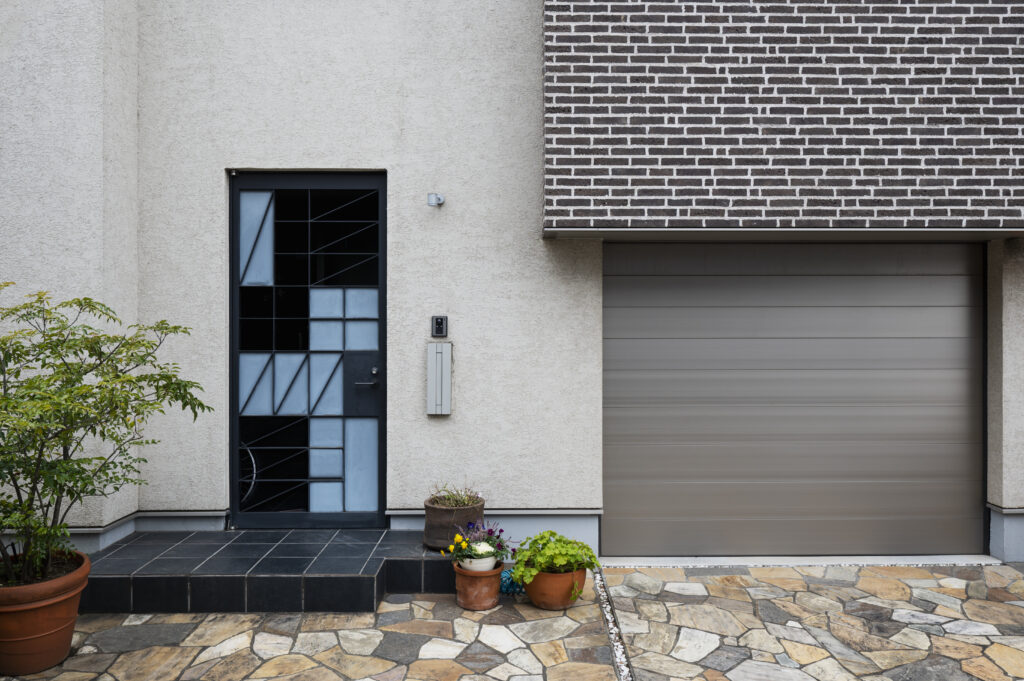
How to Choose the Right Garage Door Size
Choosing the right garage door size involves more than matching a door to the opening. Use these key factors to narrow down the best option for your garage:
- Measure the garage opening. Determine the width and height of the opening, along with the available sideroom, headroom, and backroom.
- Consider the number of vehicles. Decide whether the garage needs to accommodate one or two vehicles and whether one double door or two single doors better suits the space.
- Check your vehicle dimensions. Consider the width and height of your vehicle, including mirrors, roof racks, and other accessories that may require additional clearance.
- Compare your measurements with standard sizes. If the opening and vehicle requirements match a standard garage door size, a custom door may not be necessary.
- Consider future needs. Allow for possible larger vehicles, additional storage, or changes in how you plan to use the garage.
If you are unsure which size will work with your opening, a professional installer can verify the measurements and recommend an appropriate option. MARKO DOOR PRODUCTS, INC. provides garage door installation and can help determine the right size and configuration for your garage.
Do I Need a Standard or Custom Size Garage Door?
A standard residential garage door is usually the best option when your garage opening matches common residential dimensions and provides enough clearance for your vehicle. Standard sizes are widely available and work well for most single- and double-car garages.
A custom garage door may be necessary when the opening does not match standard dimensions or when the garage has unique space requirements. This is more common with older or remodeled garages, unusual framing, oversized vehicles, RVs, lifted trucks, or vehicles with roof racks and other accessories that require additional width or height.
Before choosing a custom size, measure the opening width and height as well as the available sideroom, headroom, and backroom. If your measurements fall outside standard dimensions, a professional installer can determine whether a standard door can work with the existing opening or whether a custom garage door is the better solution.
Conclusion: Choosing the Right Size for Your Garage Door
Finding the right size for your entry system is critical to its performance, longevity, and aesthetics. Whether opting for standard dimensions or a custom solution, proper measurements and expert advice are essential.
MARKO DOOR PRODUCTS, INC. provides high-quality solutions and professional services to help you make the best choice. From service garage door support to expert garage door installation, their team ensures a hassle-free experience. Explore their selection of residential garage doors today for the perfect addition to your home.