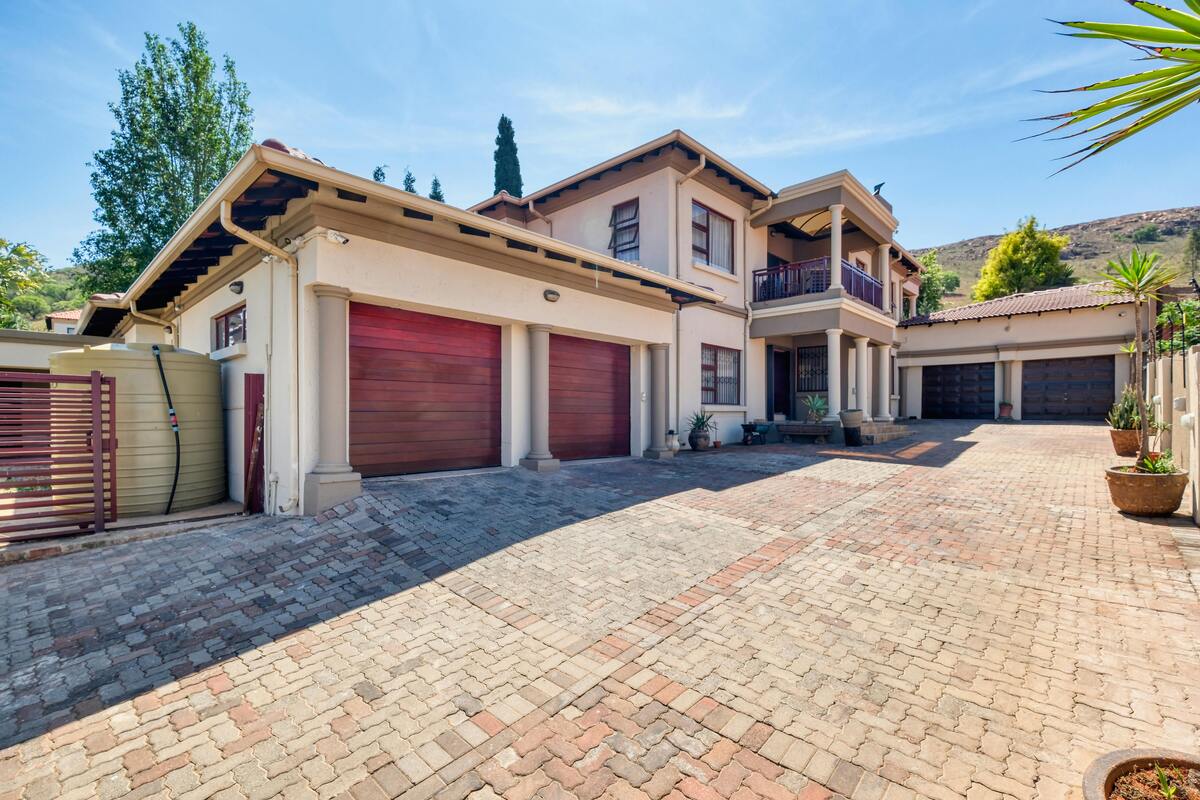
Understanding your home’s wind zone helps determine the wind code requirements for your garage door and other structural components. Wind zones classify regions based on expected wind speeds and are commonly used to identify the level of wind resistance required for residential properties.
In this guide, you’ll learn how to find your wind zone, where to locate a garage door wind code rating, how wind zone maps work, and what terms like PSF and wind-rated garage doors mean.
Types of Wind Zone Ratings
Wind zone ratings classify areas based on their maximum potential wind speeds. In Florida, these ratings are crucial for ensuring that all structures, including single-family homes, adhere to safety standards.
Zone 1
- Maximum Wind Speed: Up to 70 mph
- Locations Covered: Inland areas with lower hurricane risk, away from coasts or storm-prone zones.
- Considerations: Homes in Zone 1 don’t need advanced wind-resistant features but can still benefit from upgrades for added safety.
Zone 2
- Maximum Wind Speed: Up to 100 mph
- Locations Covered: Regions closer to coastlines but not directly in hurricane impact areas.
- Considerations: Homes in this zone should include moderate reinforcements, like wind-resistant garage doors or structural bracing.
Zone 3
- Maximum Wind Speed: 110 to 130+ mph
- Locations Covered: Coastal areas and regions with high hurricane activity, such as Florida, Texas, and parts of Louisiana.
- Considerations: Homes here require advanced reinforcements, such as wind-resistant construction and compliance with HUD regulations for mobile homes.

These wind zones help homeowners identify the risk level of their area and guide them in installing appropriate reinforcements.
Finding Your Current Home’s Wind Zone

Asking “What wind zone am I in?” is the first step to making sure your home meets Florida building codes. Wind zones are based on your specific location and determine the required strength of your garage door.
Here’s how to find your zone:
- Use a Wind Zone Map: A zone chart or map provided by FEMA or HUD divides the country into zones based on wind speeds. Many online wind zone maps also show expected MPH ranges and regional storm exposure levels for residential structures.
- Check Local Building Codes: Contact your city or county building department to confirm your wind zone. Local officials often provide specific requirements for your area.
- Consult Professionals: A garage door installation company or contractor can assess your home’s wind zone and recommend upgrades, such as wind-rated garage doors, for better protection.
By identifying your zone, you’ll know what steps to take to secure your property.
How to Find Your Wind Code Rating

Determining your home’s wind code rating involves identifying the wind pressure (PSF – Pounds per Square Foot) your garage door must withstand. Wind codes ensure homes and structures, such as garage doors, meet safety standards for extreme weather.
To find your wind code rating, follow these steps:
- Inspect Documentation: Look at your home’s original building permits or construction records. These documents often specify wind load requirements.
- Check Labels: Features like garage doors may include wind code labels with specifications. Look for this information on the inside of your garage door or in the product manual.
- Seek Expert Advice: A professional specializing in garage door maintenance or installations can evaluate your current setup and suggest improvements to meet modern wind code standards.
Where to Find a Garage Door Wind Rating Label
Most garage door wind rating labels are attached to the inside of the garage door near the side edge, bottom panel, or track system. Depending on the manufacturer, the label may display PSF ratings, maximum wind speed (MPH), certification approvals, or W-rating classifications.
If the label is missing or unreadable, homeowners can review permit documents, manufacturer specifications, or contact a garage door professional for assistance.
Why Wind Zones and Wind Code Ratings Matter

Knowing your zone and ensuring compliance with wind code ratings provides several benefits, including:
- Safety: Proper reinforcements protect your home and family during storms.
- Compliance: Many areas, particularly hurricane-prone zones, legally require homes to meet specific wind codes.
- Reduced Damage: Homes built to wind-resistant standards are less likely to sustain severe damage.
- Insurance Savings: Installing wind-rated features, like reinforced doors, may lower your insurance premiums.
In higher wind zones, garage doors are often one of the most vulnerable exterior openings during severe storms. A properly rated garage door helps reduce the risk of structural pressure changes that can contribute to roof or wall damage during extreme wind events.
For owners of mobile homes, understanding wind zones is especially critical. The wind zone map for mobile homes ensures these structures are placed in safe locations and meet HUD requirements for storm safety.
Conclusion: Take Action to Secure Your Home
Identifying your home’s wind zone and understanding your garage door wind code rating are important steps in improving storm protection and meeting local wind safety requirements. Whether you use a zone map, consult local authorities, or seek professional advice, taking action now can protect your home from future damage.
If you’re looking for expert help, MARKO DOOR PRODUCTS, INC. specializes in garage door replacement, wind-rated doors, and storm-resistant upgrades. With their help, you can ensure your home is prepared for any storm.
Don’t wait—find your wind zone today and take steps to safeguard your property!
Not sure about your zone? Call MARKO DOOR PRODUCTS, INC., and we’ll check the wind load requirements for your specific address at no charge.