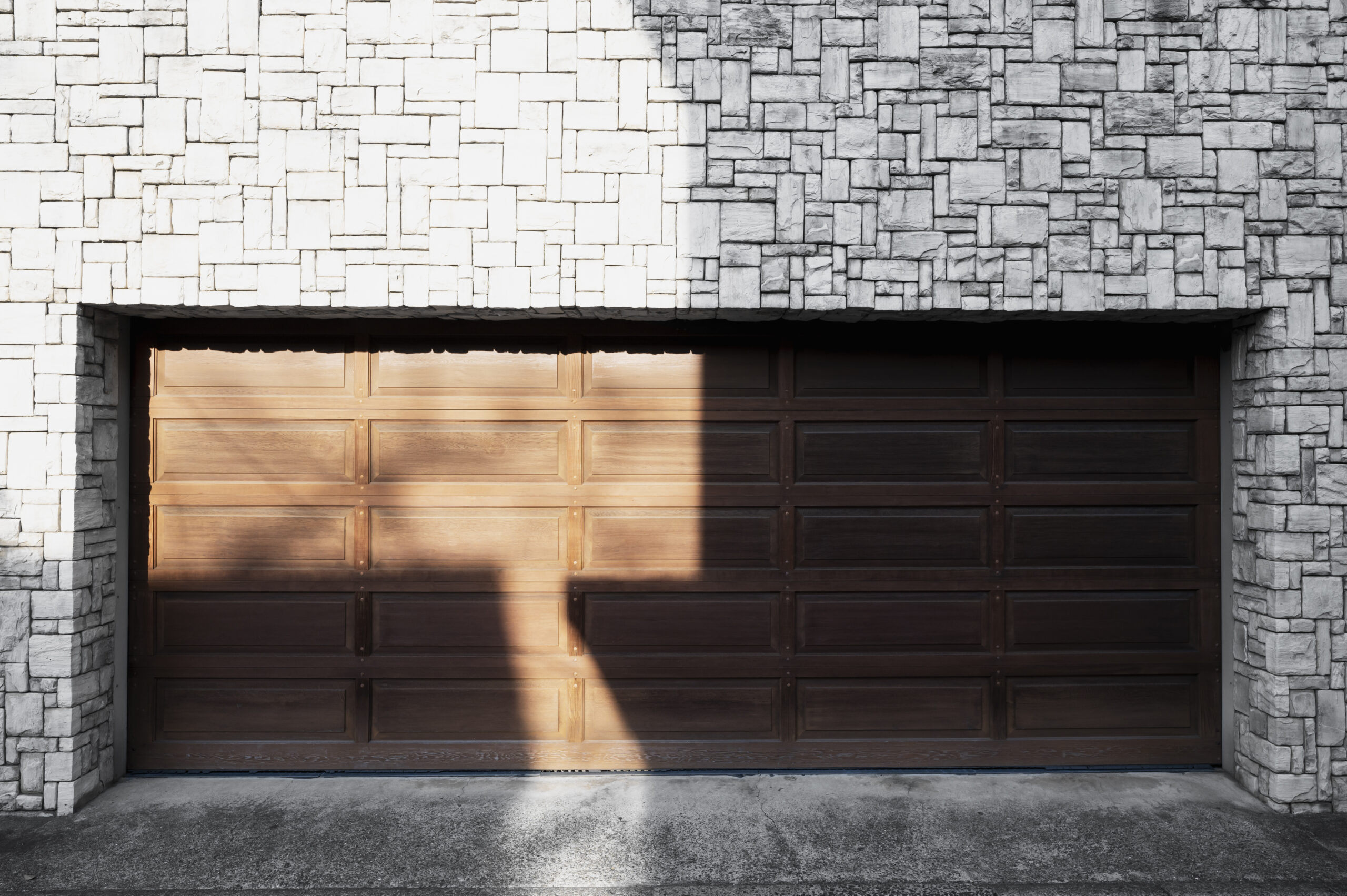
A garage door is a critical part of your home, providing security, insulation, and curb appeal. But like any part of your property, it’s not immune to wear and tear. Over time, you might face a tough question: should I repair or replace my garage door? The answer depends on several factors, including the extent of the damage, the age of the door, and your budget.
In this guide, we’ll explore when it makes sense to repair your garage door and when replacement is the better option. We’ll also highlight the key factors to consider and the benefits of each choice, so you can make an informed decision for your home.
When to Consider Garage Door Repair
Sometimes, repairing your garage door is all you need to restore its functionality and appearance. Here are a few scenarios where a repair is the right choice.
Minor Cosmetic Damage
Garage doors are exposed to the elements, making them prone to scratches, small dents, or peeling paint. These minor cosmetic issues don’t typically affect the functionality of the door, so repairing them is usually the most practical solution. For example, small dents can often be fixed with a hammer and mallet, and chipped paint can be easily touched up.
If your garage door is otherwise in good condition, addressing minor damage can save you money while keeping your door looking great.
Functional but Aging Doors

Even if your garage door shows signs of aging, like making noise or sometimes misaligning, you might not need to replace it entirely. There are often simple fixes that can restore its function and save you money. Common repairable issues include:
- Replacing broken springs.
- Realigning tracks.
- Fixing malfunctioning openers.
These fixes can help prolong the lifespan of your garage door, avoiding the expense of a complete replacement. If the frame and panels are still in good condition, a repair can be a cost-effective solution.
Cost-Effective Repairs
Repairing your garage door is generally more affordable than replacing it, especially if the issue is limited to one or two components. Common repairs include replacing weatherstripping, fixing cables, or addressing minor mechanical malfunctions.
When repairs are quick and affordable, they’re often the best choice for homeowners looking to save money while maintaining the functionality of their garage door.
Garage Door Panel Replacement vs Full Replacement
Not all damaged garage doors require full replacement. In some situations, replacing one or two damaged panels may restore the appearance and functionality of the system without replacing the entire door.
Panel replacement may be a practical option when:
- Damage is limited to a small section of the door
- The frame and track system remain structurally sound
- Matching replacement panels are still available from the manufacturer
- The garage door is relatively modern and in otherwise good condition
However, full replacement may be the better solution if the door has widespread structural damage, severe warping, multiple damaged panels, or discontinued components that are difficult to match.
Garage Door Repair vs Replacement Costs
One of the biggest factors when deciding between repair and replacement is cost. Minor garage door repairs are usually far less expensive than installing a completely new system, but repeated repairs can quickly add up over time.
In general:
- Minor repairs like weatherstripping, sensor adjustments, or track alignment are usually among the most affordable fixes
- Spring, cable, and opener repairs typically cost more due to labor and replacement parts
- Full garage door replacement costs vary significantly depending on door size, materials, insulation, and design features
Budget-friendly garage door materials often include non-insulated steel or aluminum systems, while premium wood and custom insulated doors are usually more expensive.
Homeowners should also consider hidden costs such as:
- Professional installation fees
- Permit requirements in some areas
- Old door removal and disposal
- Opener replacement or hardware upgrades
In some cases, scheduling installation during slower seasons may help reduce overall project costs or improve contractor availability.
When Is Garage Door Replacement Worth It?
Garage door replacement is worth it when repairs become frequent or expensive, the door has significant structural damage, or an older door no longer provides the safety, insulation, and functionality your home needs. Replacement can also make sense when repair costs are approaching the price of a new door or when replacement parts are difficult to find.
Severe Structural Damage
If your garage door has suffered extensive damage—such as large dents, warped panels, or a bent frame – it’s likely beyond repair. Severe structural issues can compromise the safety and security of your door, making replacement the only viable option.
Replacing your door ensures that your garage is secure, functional, and visually appealing once again.
Repeated or Increasingly Expensive Repairs
When you find yourself constantly fixing your garage door, it might be time to replace it. Frequent repairs can quickly add up, especially when different components begin failing as the door gets older.
If your garage door frequently jams, makes excessive noise, or develops recurring mechanical issues, compare the total cost of recent and expected repairs with the cost of a new door. When maintaining the existing door no longer provides good long-term value, replacement may be the better investment.
Outdated Features or Components
Older garage doors may lack modern insulation, security features, and safety systems. Replacement can make sense when the existing door is outdated and upgrading individual components would not address its overall limitations.
Upgrading to a modern garage door installation can also provide smart features like Wi-Fi-enabled openers, quieter operation, and better materials.
Safety and Energy Efficiency
A garage door that doesn’t seal properly can lead to energy loss, increasing your utility bills. Additionally, older doors may not meet current safety standards, putting your family at risk.
Replacing your door with a safer, more energy-efficient model can offer peace of mind and long-term savings.
If your door has been hit by a vehicle or sustained hurricane damage, its structural integrity is often compromised. In these situations, replacement is safer and frequently required by insurance.
Garage Door Opener Repair vs Replacement
In some cases, the garage door itself may still be in good condition while the opener system becomes the primary issue.
Minor opener problems that can often be repaired include:
- Misaligned safety sensors
- Remote or keypad malfunctions
- Worn gears or chains
- Travel limit adjustment issues
- Battery or power supply problems
However, replacement may be the better option if the opener experiences repeated failures, motor burnout, outdated safety systems, or compatibility problems with modern smart technology.
Garage door openers older than 10–15 years are often less efficient, noisier, and more prone to breakdowns compared to newer systems.
Modern opener replacements may include:
- Wi-Fi or smart home connectivity
- Smartphone control features
- Battery backup systems
- Quieter belt-drive operation
- Advanced safety sensors and auto-reverse systems
Key Factors to Consider: Repair or Replace My Garage Door?
To choose between repairing or replacing, take these key factors into account:

- Cost Comparison: Although repairs are cheaper initially, frequent breakdowns can ultimately cost more than a new, warrantied door.
- Age of the Door: If your garage door is more than 15-20 years old, replacement is often the better option.
- Extent of Damage: Minor issues can be repaired, but severe structural damage usually requires a replacement.
- Warranty Coverage: Check if your door is still under warranty, as this can influence the cost of repairs or replacement.
- Long-Term Goals: Are you planning to sell your home or stay for years to come? A new door can enhance curb appeal and add resale value.
Garage Door Replacement vs. Repair: Which Option Offers More Benefits?
The right choice depends on the condition of your garage door, the cost of the work, and your long-term needs. A replacement provides broader improvements when the existing door is aging or has multiple problems, while repair can be more practical for isolated issues.
| Factor | Garage Door Replacement | Garage Door Repair |
| Upfront cost | Higher initial investment | Lower initial cost |
| Curb appeal | Provides a new style and can significantly improve your home’s appearance | Preserves the existing door’s appearance |
| Functionality | Offers smoother operation and access to modern features such as smart openers and keyless entry | Restores existing functionality when the main system is still in good condition |
| Energy efficiency | New insulated doors can improve insulation and reduce energy loss | Weatherstripping and other repairs can improve sealing |
| Safety | Provides access to newer safety features and components | Can resolve specific safety-related issues |
| Maintenance | A new door may require fewer repairs in the early years | Requires continued maintenance as the door ages |
| Long-term value | Can provide better durability, reliability, and curb appeal over time | Makes sense when the existing door is otherwise in good condition |
| Best choice when | The door is old, frequently needs repairs, or has significant structural damage | The problem is isolated and the door is relatively new and structurally sound |
Should I Repair or Replace My Garage Door? Expert Tips
If you’re still unsure about your decision, follow these expert tips:
- Consult a Professional: An experienced technician can assess the condition of your door and recommend the best solution. Whether you need garage door repair or replacement, a professional can guide you through the process.
- Prioritize Safety: If your door poses a safety risk, replacement should always be the priority.
- Think Long-Term: Consider your home’s future needs, including energy efficiency, resale value, and aesthetics, before making your choice.
Tips for Comparing Quotes and Choosing Contractors
Before committing to a garage door repair or replacement project, it is important to compare estimates carefully and understand exactly what is included in the pricing.
When reviewing contractor quotes, consider:
- Whether labor and installation costs are included
- Warranty coverage for parts and workmanship
- The quality of replacement materials and hardware
- Permit requirements or disposal fees
- Experience with garage door repairs and opener systems
Homeowners should also be cautious of unusually low estimates that may exclude important services or lower-quality components.
Choosing an experienced garage door contractor can help reduce the risk of future repairs and installation problems.
DIY Garage Door Repair Risks
While some minor maintenance tasks can be handled by homeowners, certain garage door repairs may involve serious safety risks.
Torsion springs are placed under extremely high tension and can cause severe injuries if improperly handled. Cable systems, heavy door panels, and opener components may also create safety hazards during DIY repairs.
Homeowners should be especially cautious when dealing with:
- Broken torsion springs
- Damaged lifting cables
- Bent tracks
- Heavy door sections
- Electrical opener components
In many situations, professional repair or replacement is the safest and most reliable option.
Conclusion: Making the Right Choice for Your Garage Door
Deciding between garage door repair or replacement doesn’t have to be overwhelming. By assessing the condition of your door, the cost of repairs, and your long-term goals, you can make an informed decision that benefits your home and wallet.
If your door has minor issues, a quick repair may be all you need to restore its functionality. However, if the damage is severe, frequent, or outdated, investing in a new garage door could save you money and headaches in the long run.
For expert guidance and services, explore professional options for garage door installation, repair, or replacement to ensure the best outcome for your home.